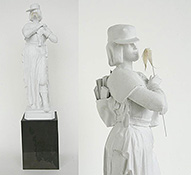
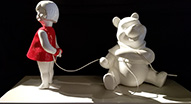
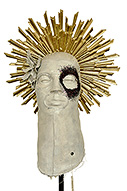
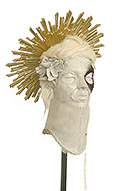
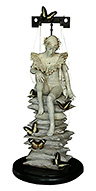
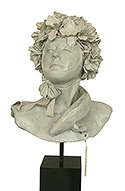
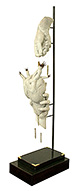
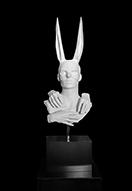
| SOLD |
|
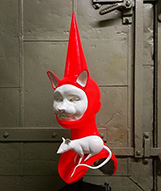
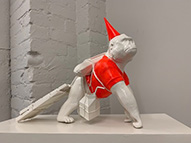
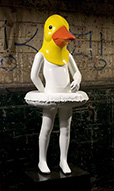
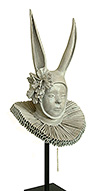
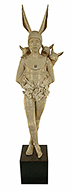
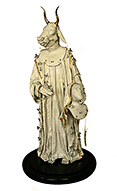
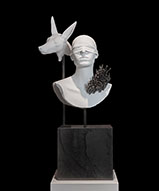
When you're in business
Mixed media
12" x 20" x 9"
Sold |
|
|
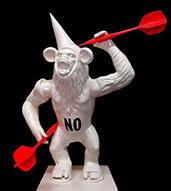
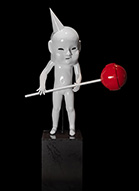
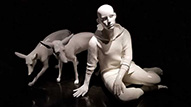
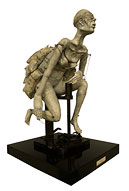
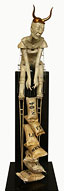
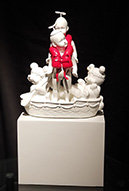
Sweet and Anonymous
Mixed media
61.5" x 35" x 21"
Sold |
|
|
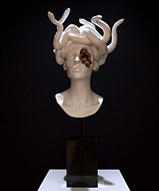
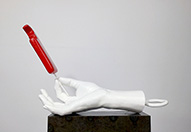
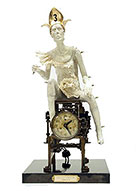
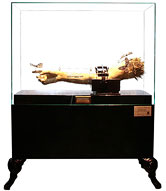
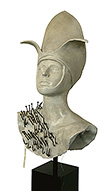
Chaleur éphémere
Mixed media
20" x 16" x 7.5"
Sold |
|
|
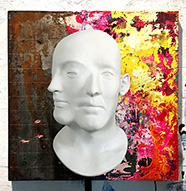
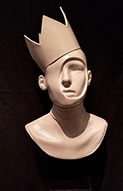
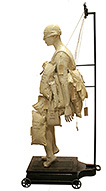
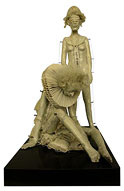
Laisse le vent caresser ta peau à nouveau
Mixed media
30" x 12" x 6"
Sold |
|
|
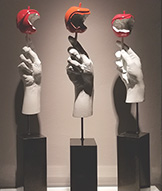
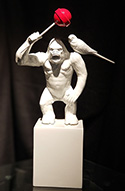
Pommes D'Amour
Mixed media
24" x 3" x 4" (each)
Sold |
|
|
Childhood
Mixed media
14.5" x 9" x 5.5"
Sold |
|
|
Douceur Sauvage
Mixed media
24" x 8" x 7"
Sold |
|
|
Don't be shy II
Mixed media
70" x 11.5" x 16"
Sold |
|
|
Chapitre I : L'ENFANT DE LA GRÂCE
Mixed media (plaster/textile)
71'' x 12'' x 11''
Sold |
|
|
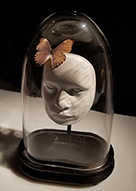
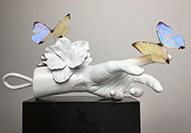
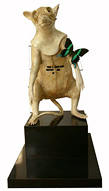
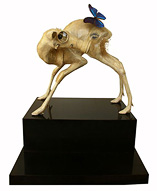
Do not beg for what does not want to stay
Mixed media, morpho butterflies
20" x 16" x 7.5"
Sold |
|
|
Instinct Primaire
Mixed media
41" x 40" x 60"
Sold |
|
|
Lost Toys I
Mixed media
16.5
" x 4.5 x 4"
Sold |
|
|
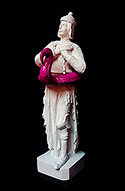
Summer expectations
Plaster and mixed media
26" x 5" x 5"
Sold |
|
|
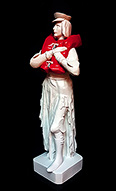
Attitude!
Plaster and mixed media
26" x 5" x 5"
Sold |
|
|
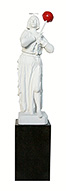
Jeanne la douce
Plaster and mixed media
26" x 5" x 5"
Sold |
|
|
La chasse
Mixed media
21" x 36" x 7"
Sold |
|
|
Jeanne s'en va au bucher
Plaster and mixed media
25” X 5” X 5”
Sold |
|
|
Jeanne nouvelle ère
Plaster and mixed media
25” X 5” X 5”
Sold |
|
|
Le Nirvana de Jeanne
Plaster and mixed media
25” X 5” X 5”
Sold |
|
|
Jeanne le refuge
Plaster and mixed media
25” X 5” X 5”
Sold |
|
|
Chapitre 1 : L'Exil, Once upon the time
Polymer clay, metal, cotton, plaster and a patina
12" x 12" x 72"
Sold |
|
|
22nd Century, the legendary animals : The Raccoon
Polyuréthane, polymer clay and cotton
32.5'' x 19'' x 14''
Sold |
|
|
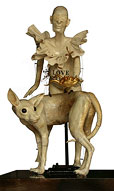
Love Instinct
Mixed media
70" x 19" x 20"
Sold |
|
|
Chapitre 2 : L'Exil, Mechanism of internal reconstruction
Polymer clay, metal, cotton, plaster and a patina
12" x 12" x 72"
Sold |
|
|
En suspens
Mixed media with metal stilts
15" height + 5' stilts
Sold |
|
|
Mémoire Vive
Mixed media
32" x 7" x 7"
(+ podium 48" x 12" x 12")
Sold |
|
|
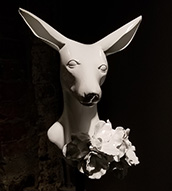
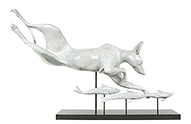
22nd Century, the legendary animals : The Fawn
Polyuréthane, polymer clay and cotton
32.5'' x 20'' x 19.05''
Sold |
|
|
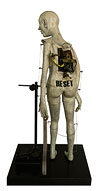
Lost Manequin
Mixed media with metal base
84” X 9.5” X 9.5”
Sold |
|
|
Mots d'âmes
Mixed media with metal base
25" height + 48" base
Sold |
|
|
L'or se révèle au caillou qui l'effleure
Mixed media
65" x 11" x 17"
Sold |
|
|
Lost Mannequin IV
Mixed media with steel base
84” X 9.5” X 9.5”
Sold |
|
|
En moi
Mixed media
54" x 12" x 12"
Sold |
|
|
Union sacrée envoi
Mixed media
72" X 14" X 14"
Sold |
|
|
Chapitre 3 : L'Exil, affranchissement solitaire
Polymer clay, metal, cotton, plaster and a patina
15.5" x 13.5" x 72"
Sold |
|
|
Parure de Vie
Mixed media
24" x 12" x 12"
Sold |
|
|
Miroir de nos âmes
Mixed media
76" x 19" x 26"
Sold |
|
|
Et un jour, la Divine...
Mixed media
24" x 12" x 12"
Sold |
|
|
Lost Child
Mixed media
76" x 14" x 12"
Sold |
|
|
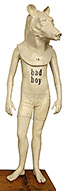
Lost Mannequin 18 - Bad Boy
Mixed media
67" x 32" x 12"
Sold |
|
|
Chapitre II : MOTHER NATURE
Mixed media
75'' x 14'' x 10''
Sold |
|
|
Break time II
Mixed media
30" X 11" diameter
Sold |
|
|
Chapitre 4 : L'Exil, le temps suspendu à tes lèvres
Polymer clay, metal, cotton, plaster and a patina
10" x 16" x 63"
Sold |
|
|
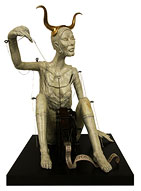
Chapitre 5 : L' Exil, One more dream
Polymer clay, metal, cotton, plaster and a patina
12" x 31" x 41"
Sold |
|
|
La Déclaration
Mixed media
80" x 13" x 18.5"
Sold |
|
|
Souffle 2
Mixed media
30" X 12" diametre
Sold |
|
|
Chapitre IV : ET ELLE DONNA LA VIE...
Mixed media
67'' x 15'' x 10''
Sold |
|
|
Fatal Addiction
Mixed media
32” x 7” x 10”
Sold |
|
|
Care
Mixed media
41.5" x 12" x 8"
Sold |
|
|
Trust
Mixed media
39” x 21” x 15”
Sold |
|
|
Lost Toys II
Mixed media
14.5" x 7" x 9"
Sold |
|
|
Chapitre III : JEANNE LA PAPESSE
Mixed media
74'' x 14'' x 10''
Sold |
|
|